
Energy Efficient Windows in Columbus, OH
If you live in Columbus, Ohio, you know our weather loves to keep us on our toes. We experience humid, scorching summers and freezing, snowy winters. Keeping your home comfortable during these extreme shifts often results in high utility bills. But it does not have to be that way.
Upgrading to energy-efficient windows provides a smart solution. They keep the harsh weather outside and you’re comfortable, climate-controlled air inside. Yet, with so many options on the market, you might wonder what makes a window energy efficient. It is more than just a sticker on the glass.
How Heat Transfer Works Through Windows
To understand energy-efficient window features, we first need to look at how heat moves. Heat naturally wants to travel from warmer areas to cooler areas. During a chilly Ohio winter, the heat from your furnace tries to escape outside through your windows. During the summer, the blazing sun tries to push heat into your cool, air-conditioned living room.
Windows loss or gain heat in a few different ways. Conduction happens when heat travels directly through the solid materials of the window frame and glass. Radiation occurs when sunlight passes through the glass and warms your home. Finally, convection happens when cold drafts slip through gaps around a poorly sealed window.
Energy-efficient windows block these heat transfer methods. We measure their success using two main ratings. The U-factor measures how well the window stops non-solar heat from escaping. A lower U-factor means better insulation. The Solar Heat Gain Coefficient (SHGC) measures how well the window blocks heat from sunlight.
Low E (Low Emissivity) Coatings
One of the most important energy-efficient window features is the Low-E coating. Low Emissivity (Low-E) coatings are incredibly thin, virtually invisible layers of metallic oxide applied directly to the glass. Though you cannot see them, they do an incredible amount of heavy lifting.
Think of a Low-E coating like a thermos for your home. During the winter, this coating reflects the radiant heat from your furnace back inside your rooms. When summer rolls around, the coating reflects the sun’s scorching heat away from your house. This simple, invisible layer dramatically reduces heat transfer.
Low-E coatings also protect your home’s interior. They block harmful ultraviolet (UV) rays from entering your living spaces. These are the same UV rays that fade your beautiful hardwood floors, carpets, and living room furniture over time. By choosing efficient home windows with Low-E glass, you protect your wallet and your interior design.
Window Glass (Glazing) Features
A single pane of glass offers very little insulation against the outside world. That is why modern energy-saving windows feature multiple panes of glass, known as double or triple glazing.
A double-pane window uses two pieces of glass separated by a spacer. This spacer creates a sealed cavity between the panes. Manufacturers fill this cavity with an insulating gas, usually argon or krypton. These dense, non-toxic gases slow heat transfer far better than regular air.
For maximum comfort, some homeowners upgrade to triple-pane windows. These feature three layers of glass and two gas-filled chambers. Triple glazing offers exceptional insulation and provides excellent soundproofing. If you live near a busy Columbus street, triple-pane glass will keep your home warm and pleasantly quiet.
Spacers also play a huge role in the glazing system. Traditional aluminum spacers conduct heat easily, which can lead to condensation on the glass. High-performance windows use warm-edge spacers made from non-metallic materials. These spacers keep the edges of the glass warmer, preventing annoying condensation and improving overall efficiency.
Window Frame Materials and Their Impact
The glass makes up the majority of your window, but the frame holds it all together. Your choice of frame material significantly impacts the overall insulation of your new windows. Even the best glass will underperform if placed in a highly conductive frame.
Vinyl is one of the most popular choices for efficient home windows. High-quality vinyl frames offer excellent insulation because the material resists heat transfer. Manufacturers often design vinyl frames with multiple hollow chambers inside. These chambers trap air and slow down temperature changes. Vinyl is also incredibly durable, low maintenance, and perfect for the shifting Ohio climate.
Wood frames offer a classic, beautiful look and provide fantastic natural insulation. However, wood requires regular maintenance to prevent rot and weather damage. Fiberglass is another excellent option. It expands and contracts at the same rate as the window glass, reducing stress on the seals over time.
At Rosati Windows, we can help you compare different window styles and frame materials. We will make sure you find the perfect match for your home’s architecture and your energy goals.
Proper Sealing and Installation
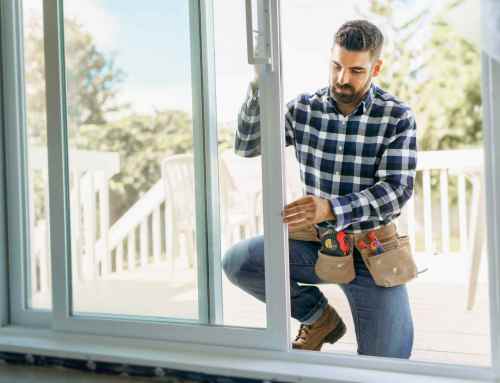
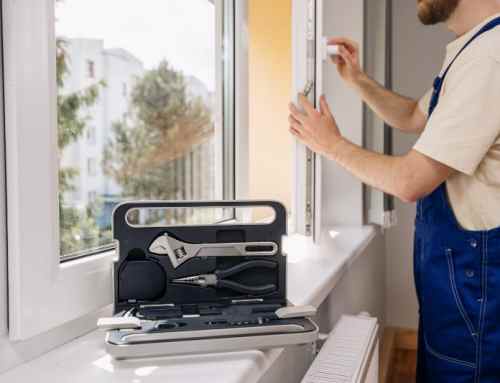
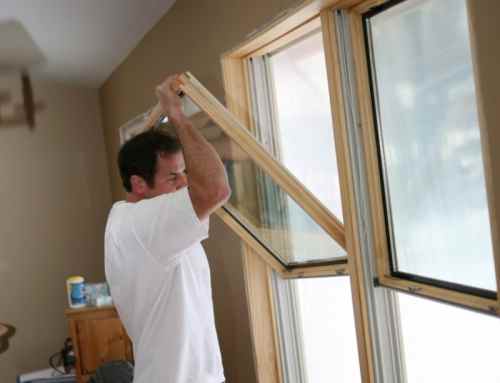
You can purchase the most expensive, high-performance windows on the market. However, if they are installed poorly, they will not save you any energy. Proper installation is the crucial final step in making a window energy efficient.
When we remove an old window, we often find hidden gaps between the rough opening of the house and the window frame. A professional installation team must thoroughly seal these gaps using specialized expanding foam and high-quality caulking. This critical step stops air infiltration, ensuring zero drafts enter your home.
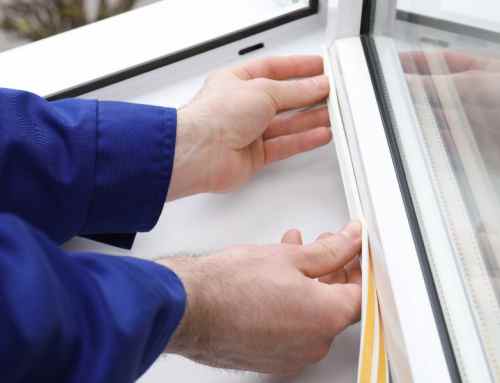
Proper weatherstripping is also essential for operable windows, like double-hung or sliding styles. The weatherstripping creates a tight seal when the window is closed and locked. Over time, cheap weatherstripping degrades. We use premium sealing materials that maintain their shape and effectiveness year after year.
Climate Specific Window Selection
There is no single “best” window for every house in the country. A homeowner in sunny Florida needs a different window setup than a homeowner in snowy Maine. To get the best results, you must select windows tailored to your specific climate.
Here in Columbus, OH, we experience a mixed climate. We deal with bitter cold and sweltering heat. Because of this, you need a balanced window. You want a low U-factor to keep the cold out during January and February. You also want a moderate-to-low SHGC to block the summer sun without sacrificing natural light.
ENERGY STAR makes this process much easier for homeowners. They divide the country into different climate zones. Ohio sits in the Northern Climate Zone. When you shop for windows, look for the blue ENERGY STAR label specifically rated for the Northern Zone. This guarantees the window meets strict energy efficiency guidelines for our exact weather patterns.
Upgrade Your Home with Rosati Windows
Understanding what makes a window energy efficient helps you make the best choice for your home. By combining Low-E coatings, argon gas fills, insulated frames, and expert installation, you create a powerful barrier against the outdoors. You will enjoy lower energy bills, fewer drafts, and a much more comfortable living space.
If you are a Columbus homeowner ready to upgrade your property, we are here to help. At Rosati Windows, we manufacture and install premium windows designed specifically for Ohio weather. We take pride in guiding our customers through every step of the replacement process.
Do you want to see how much you could save on your energy bills? Browse our selection of replacement windows and custom doors to find your perfect fit. Contact Rosati Windows today to schedule your free, no-obligation estimate and take the first step toward a more comfortable home.