How to Stop Condensation on Windows
The tiny water droplets that come with window condensation seem harmless at first glance. However, persistent moisture on your glass panes could mean a much deeper issue hiding inside your property. Ignoring wet windows can lead to serious structural damage and health concerns over time. Water pooling on sills encourages mold growth, rots wooden frames, and degrades surrounding paint and drywall. This turns a simple annoyance into a costly repair project. But don’t panic, there’s plenty you can do to reduce window condensation and handle problems before they arise. Here’s what you need to know.
What Is Window Condensation?
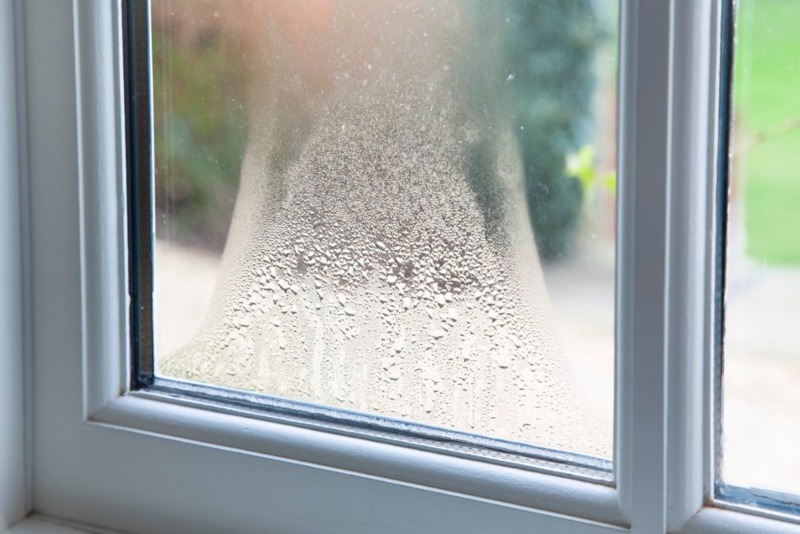
Window condensation happens when warm, moist air comes into direct contact with a cooler surface, like your window glass. As the warm air cools against the cold glass, it loses its ability to hold moisture. The excess water vapor then transforms into liquid droplets on the surface. You’ll usually notice condensation during the colder months, when your heating system is fired up. The indoor heat keeps the air warm, while the freezing outdoor temperatures cool the glass. The result is the perfect environment for condensation to form on the interior side of your windows.
Why Condensation Is a Problem
A little morning fog on the glass is normal, but heavy, recurring condensation can spell trouble. After all, the water doesn’t just stay on the glass. It drips down into the window tracks, pools on the sill, and seeps into the surrounding walls. Over time, this constant moisture leads to wood rot, peeling paint, and deteriorating plaster. Worse, damp environments are the perfect breeding ground for mold and mildew, which can trigger allergies and other respiratory issues. Because of these consequences, preventing window condensation is especially important for home and business owners.
What Causes Condensation on Windows?
To prevent condensation, you first need to understand where the indoor moisture is coming from. Several things can increase the humidity indoors, such as:
- Everyday Household Activities—Breathing, cooking, showering, and doing laundry all release significant amounts of water vapor into the air. A family of four can produce several gallons of airborne water every single day just through normal living.
- Poor Ventilation—Modern homes and commercial buildings are built to be highly energy-efficient. While this is great for your energy bills, it traps moist air inside with nowhere to go. Without proper airflow, that moisture eventually settles on your cold windows.
- Too Many Indoor Plants—Houseplants are beautiful, but they also release moisture through a process called transpiration. Having many plants near your windows will increase indoor humidity levels and cause fogging.
Window Condensation Solutions to Consider
Sometimes, you need specialized window condensation solutions to stop the fog. Fortunately, companies like Rosati Windows can help. Experts can conduct a thorough assessment of your property to pinpoint the issue and recommend a fix. For example, if your windows are old and failing, they may recommend a replacement. Upgrading to double or triple-pane glass can dramatically reduce window condensation. Many teams also repair broken window seals and perform other installation and maintenance tasks to keep your home or business in top shape.
Preventing Window Condensation at Home and at Work
Condensation on windows isn’t just a residential problem. This issue affects commercial properties of all kinds. Thankfully, expert teams can provide service for both. Here’s how residential and commercial condensation prevention differ:
- Residential—Here, the focus is usually on managing household humidity and keeping ventilation localized to the areas that need it most (like the bathroom or kitchen). Homeowners can implement systems that fit seamlessly into their daily lives without disrupting their comfort.
- Commercial—Commercial properties face different challenges. Office buildings, restaurants, and retail spaces deal with fluctuating occupancy levels, commercial-grade kitchens, and complex HVAC systems. These clients require commercial-grade prevention strategies that protect large-scale glass facades and maintain a healthy, professional environment for customers and staff.
Tips to Take Care of Window Moisture Problems
Home and business owners can take a few steps to mitigate window moisture problems before they occur. Follow these tips for minimizing condensation:
- Run Exhaust Fans—Always use exhaust fans in your bathroom when showering and in your kitchen when boiling water. Leave them running for at least twenty minutes after you finish clearing the lingering moisture.
- Open Windows Even in the middle of winter, opening a window for just five to ten minutes a day allows stale, moist air to escape and fresh, dry air to circulate.
- Use a Dehumidifier—Placing a dehumidifier in moisture-heavy rooms, like basements or large living areas, actively pulls excess water out of the air.
- Rearrange Your Plants—Move houseplants away from your windows during the colder months.
- Open Curtains and Blinds—Keep your window treatments open during the day to allow warm air to circulate against the glass.
How Often Should I Address Window Condensation?
During the colder months, we recommend checking your windows for condensation every day. If the light fog evaporates when the sun comes up, everything is probably fine. However, if you notice water pooling on the skills or ice forming inside the glass, it’s time to act. Try the tips mentioned above, and if they don’t work, reach out to a window expert.
Why Choose Us for Your Window Needs
Protecting your property from water damage requires reliable, expert care. At Rosati Windows, we bring years of experience solving window issues for both residential and commercial clients. Our Columbus, OH team prides itself on delivering long-lasting results rather than temporary fixes, ensuring your home remains safe, dry, and comfortable year-round. Get in touch with our team today to learn more about addressing condensation on windows.