Understanding Employee-Owned Companies and Their Importance
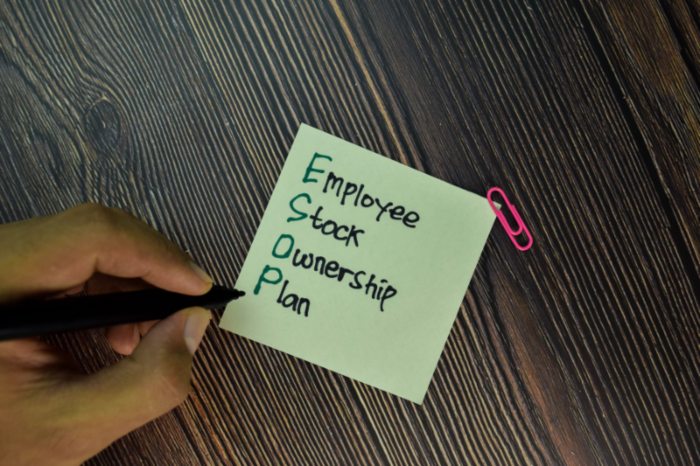
You might have noticed the “employee-owned” badge on a local business storefront or a company website. It sounds impressive, and it usually carries a positive reputation. Yet many people don’t fully understand what this label actually means behind the scenes. An Employee Stock Ownership Plan (ESOP) completely changes how a business operates. Instead of relying on a distant group of external investors or a single owner calling all the shots, the people doing the daily work hold a significant stake in the company’s success. Learn more about how an ESOP company operates and how this structure benefits everyone involved.
What Does “Employee-Owned” Mean?
At its core, being employee-owned means that the company’s workers hold a significant ownership stake in the business. Rather than profits exclusively going toward private equity firms or a single owner, the financial gains stay with the people who actually produce the work. There are several ways a company can be employee-owned; however, the most common in the United States is the Employee Stock Ownership Plan (ESOP). When a business operates under this model, every eligible employee becomes a part-owner.
How an Employee Stock Ownership Plan Works
The basic concept of an Employee Stock Ownership Plan is straightforward. First, the company establishes a trust fund, then contributes new shares of its own stock into this trust. Then, those shares are allocated to individual employees based on things like salary and years of service. As the company grows and becomes more profitable, the value of those shares increases. When a worker eventually retires or leaves the ESOP company, the business buys back their shares at fair market value. The employee receives that cash as a retirement benefit, and the purchased shares are redistributed back into the trust for current and future workers.
Why a Company Might Choose an ESOP
Business owners transition to an ESOP structure for a variety of reasons. One major factor is succession planning. When a founder is ready to retire, selling the business to the employees ensures the company remains independent and protects the jobs of the people who helped build it. Beyond finances and ESOP wealth-building incentives, companies choose this path to retain top talent. Offering a literal stake in the business is a highly attractive benefit that helps recruit the most skilled workers and keeps them dedicated to the company’s long-term vision.
How an ESOP Structure Can Benefit Customers
Clearly, there are plenty of benefits of employee ownership for workers, but what about you as the customer? In fact, employee ownership translates directly to the customer experience. When team members directly benefit from the success and reputation of their workplace, they’re more likely to deliver exceptional service. They often pay more attention to the details and take time to ensure every customer walks away satisfied. A happy customer base means continuous growth for their retirement accounts!
How Employee Ownership Impacts Company Culture
As you might expect, employee ownership has a major effect on company culture. In a traditional corporate structure, workers might feel disconnected from the overarching goals of executives. Under an ESOP, everyone tangibly benefits from success. Oftentimes, an ESOP creates a highly collaborative culture where employees are more likely to assist their coworkers and offer their ideas to improve the company. Turnover rates tend to be lower in employee-owned businesses, too.
Support Your Local ESOP Companies
You probably have several ESOP companies in your local area that would love your support. In Columbus, OH, customers can turn to Rosati Windows whenever they need new custom windows or entry doors. We believe in supporting our employees and know that an outstanding company culture means a better experience for our customers. Get in touch with us today to learn more about our services.
Frequently Asked Questions About ESOPs
Do Employees Have to Buy Their Shares?
No. In an ESOP, the company funds the trust and allocates the shares to the employees. Workers don’t purchase the stock out of their own paychecks.
Can Any Company Start an ESOP?
Most corporations can establish one, but it requires strict regulatory compliance, annual valuations, and significant administrative setup.
Do Employees Get Voting Rights?
This depends on the specific legal structure of the plan. In many private companies, the ESOP trustee votes on behalf of the employees for regular business matters, while employees may get direct voting rights on major issues.
What Happens When an Employee Quits?
When an employee leaves the business before retirement, the company buys back their vested shares at the current fair market value.
Are ESOPs Only for Massive Corporations?
Not at all. While some large corporations use them, ESOPs are incredibly popular among small and mid-sized businesses, too.