
Can You Soundproof Your Windows?
The windows in your home are often the weakest link when it comes to blocking out unwanted sounds. If you find yourself constantly distracted by outside noise, you might be interested in soundproof windows. While it’s impossible to block out 100% of all noise, there are methods to significantly reduce the amount of sound entering your living space. We’ll explain exactly how noise-reducing glass works and what options are available on the market. You’ll learn about the different types of professional upgrades, practical DIY solutions, and the key factors to consider before making an investment.
What Are Soundproof Windows?
Standard residential windows usually consist of a single or double pane of 3mm glass. These windows have a Sound Transmission Class (STC) rating of about 26, meaning they let a considerable amount of exterior noise into the home.
Soundproof windows are specially engineered to minimize the transfer of sound waves. They slow down the movement of noise through the air and through physical materials. By increasing glass thickness, optimizing the air space between panes, and adding specialized insulation, these windows absorb and reflect sound waves more effectively than standard options.
How Do Soundproof Windows Work?
Sound travels in waves, and when those waves hit a solid surface, they either bounce off, get absorbed, or pass through. To stop noise from passing through your walls and glass, you need density and space. Engineers create noise-reducing windows by manipulating a few key elements:
- Glass Thickness – Thicker glass creates a denser barrier that’s harder for sound waves to penetrate. Mixing different thicknesses of glass in the same window unit is especially effective, as each thickness dampens different sound frequencies.
- Air Space – Increasing the distance between panes of glass helps trap sound waves. Some manufacturers fill this space with safe, insulating gases that further slow down noise transmission.
- Additional Panes – Moving from a single-pane to a dual-pane or triple-pane design adds more physical barriers for the sound to travel through.
- Quality Seals – Even the thickest glass is useless if sound can leak through cracks in the frame. Professional installation and lab-tested weatherstripping ensure an airtight seal.
Common Types of Soundproof Windows
While searching for the best soundproof windows, you’ll encounter several different styles and builds. Here are the most common options:
- Double-Pane Windows – These feature two panes of glass separated by an air or gas-filled gap. They offer a noticeable improvement over older single-pane windows, reducing both noise and energy loss.
- Triple-Pane Windows – Triple-pane units use three layers of glass and two insulating gaps. They provide exceptional acoustic performance.
- Laminated Glass Windows – Laminated glass consists of two layers of glass with a clear plastic interlayer sandwiched between them. This plastic layer acts as a powerful acoustic damper, absorbing sound vibrations and drastically reducing noise transmission.
- Acoustic Windows – These are specialized, high-end units built for maximum noise reduction. They often combine laminated glass, asymmetrical pane thicknesses, and heavy-duty insulated frames to achieve the highest possible STC ratings.
Factors to Consider When Choosing Soundproof Windows
Upgrading your home’s glass is a significant investment. Keep these factors in mind when choosing soundproof windows:
- Frame Materials – The material of your window frame affects acoustic performance. Vinyl, fiberglass, and composite frames tend to dampen sound better than lightweight aluminum.
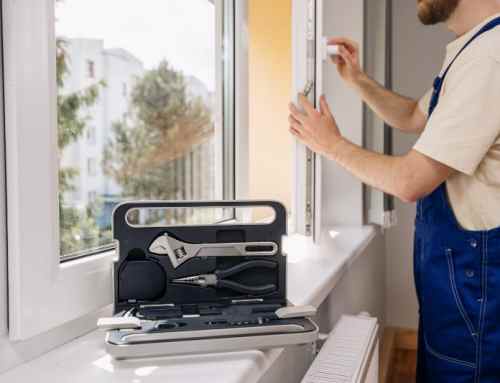
- Professional Installation – Proper installation is critical. If the frame isn’t perfectly plumb, square, and sealed, sound will leak through the gaps. Always hire a reputable contractor who understands insulation.
- Budget – High-quality noise-reducing windows generally cost between $500 and $1,500 per window. Keep in mind that this investment also improves your home’s energy efficiency and overall property value.
DIY Options for Soundproofing Windows
Replacing your entire window system isn’t always feasible. If you’re renting or working with a tight budget, you might be wondering how to soundproof windows using alternative methods. Here are a few practical DIY window soundproofing options:
- Window Seal Kits – Magnetic or friction-fit acrylic panels can be installed over your existing windows. Seal kits can mount to the surface of the trim or inside the jamb. They’re relatively inexpensive, removable, and create an additional air gap that blocks noise.
- Acoustic Caulk – Small gaps between your window frame and the drywall are common entry points for street noise. You can seal these leaks using a flexible, latex-based acoustic caulk. Be sure to remove any old, cracked silicone caulk before applying the new acoustic bead.
- Sound Dampening Curtains – Heavy, thick curtains made of velvet and lined with vinyl can help absorb echoes and light noise pollution. While they won’t stop the rumble of a diesel engine, they’re great for dampening the sound of crickets or distant conversations.
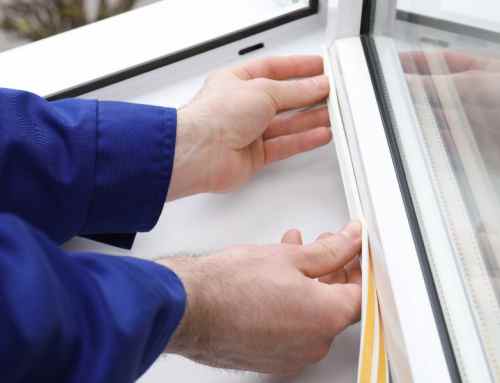
- Weatherstripping Replacement – Old weatherstripping degrades and flattens over time, breaking the airtight seal around your sashes. Replacing worn-out foam or rubber weatherstripping is a cheap, easy way to instantly improve sound resistance and thermal insulation.
Maintenance and Care for Soundproof Windows
To keep your windows performing at their best, they require simple, regular maintenance. Clean the glass regularly using gentle solutions and soft microfiber cloths. Avoid harsh, abrasive chemicals that could scratch protective coatings. Take time twice a year to inspect the caulking around the exterior frame and the weatherstripping along the sashes. If you notice any drafts or hear an increase in outside noise, it may be time to replace the seals.
Frequently Asked Questions
Can I Completely Soundproof a Window?
No window is 100% soundproof. However, by using thick laminated glass, triple-pane designs, and proper installation techniques, you can reduce outside noise to a barely noticeable whisper.
Does Bubble Wrap Work for Soundproofing?
No. Bubble wrap is incredibly light and lacks the mass required to stop sound waves. It may offer slight thermal insulation, but it won’t effectively block traffic or neighborhood noise.
Are Noise-Reducing Windows Worth the Cost?
Aside from drastically improving your daily comfort and quality of life, heavy-duty soundproof windows also lower your heating and cooling bills and increase your home’s resale value.
Create a Peaceful and Quiet Home Environment
Whether you opt for a high-end triple-pane replacement or apply some fresh caulk to your existing frames, you have the power to take control of your home’s acoustics. Assess your current noise levels, determine your budget, and decide which method works best for your situation. If you’re ready for a permanent fix, contact Rosati Windows for a free estimate on installing new windows for your Columbus, OH home. Taking action today will help you secure the quiet, relaxing indoor sanctuary you deserve.