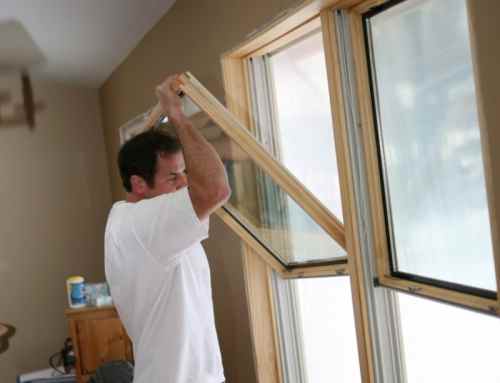
If you’ve ever tried to choose new home windows, you know there are so many options, each with its own quirks. Half the battle is figuring out which one will actually work for your space. We’ve spent years helping Columbus homeowners navigate this world of window styles, and trust me, we’ve seen it all, from picture windows that make a room glow like a greenhouse to casement cranks that mysteriously vanish the week after install (spoiler: they were in the junk drawer).
This guide is meant to take the guesswork out of things. Think of it like a tour through the most common different styles of windows, complete with what they do best, where they struggle, and a few tips we’ve picked up along the way.
Why Window Style Actually Matters
Window style isn’t just a design choice. It’s a lifestyle choice. The way a window opens (or doesn’t) affects:
- How much fresh air flows through your home
- How simple (or tricky) it’ll be to clean
- Energy efficiency and how well the window seals
- The way light spills into a room
- How the whole place looks from the curb
The Big Players in Window Styles
There are a lot of different styles of windows, but most homes in Columbus come back to a familiar lineup. These are the styles we see day in and day out:
Single Hung Windows
These are the “starter pack” of windows: one fixed sash up top, one that slides up and down below. Here’s an overview:
- Where They Shine: Budget-friendly, simple, fewer moving parts. They’re sturdy little workhorses.
- Where They Don’t: Airflow is limited since only the bottom moves. Cleaning that top sash on the second story? Not fun.
Double Hung Windows
Double hung windows are a favorite among the crowd in Columbus neighborhoods. Both sashes move, which means you can open the top, bottom, or both. Here’s an overview:
- Where They Shine: Versatile ventilation, easier cleaning (many tilts inward), and they look good on just about any house style. Parents love them because you can crack the top open for air while keeping the bottom safely shut for kids or pets.
- Where They Don’t: More moving parts means more potential wear, and they don’t always seal as tightly as other styles.
Casement Windows
Think of these as the window equivalent of a door. Casement windows swing open with a crank, usually outward. Here’s an overview:
- Where They Shine: Amazing ventilation and a tight seal when closed. Great for catching breezes.
- Where They Don’t: They need room to swing, and hardware can get fussy. You don’t want one bumping into a bush every time you open it.
Awning Windows
Like a casement but hinged at the top so they tilt out like, yep, an awning. Here’s an overview:
- Where They Shine: Perfect for bathrooms or basements, and you can leave them cracked open during light rain.
- Where They Don’t: Small openings are not ideal as your main source of airflow.
Sliding Windows
These scoots open sideways, one panel sliding over the other. Here’s an overview:
- Where They Shine: Great for wide walls, modern looks, and easy operation.
- Where They Don’t: Less ventilation than you might think, and the tracks collect dust and debris like magnets.
Bay & Bow Windows
These pop out from the house, creating a little extra nook inside. Bay windows are usually three panels (center picture window + two angled sides). Bow windows are more of a gentle curve with four or more panels. Here’s an overview:
- Where They Shine: Tons of light, architectural “wow” factor, and room for plants, books, or a cozy seat.
- Where They Don’t: They’re pricier and trickier to install. Think of them as the grand piano of windows. They’re beautiful, but not for every space.
Picture Windows
Picture windows are exactly what they sound like: big, fixed panes that don’t open. Here’s an overview:
- Where They Shine: Amazing views, maximum light, energy efficient because they don’t have moving parts.
- Where They Don’t: No ventilation. Pair them with operable windows if you also want a breeze.
Specialty Windows
Arches, circles, triangles, you name it. These are the accents that give a home its personality. Here’s an overview:
- Where They Shine: Add character, bring in light to unique spaces, and turn heads from the street.
- Where They Don’t: Often fixed, usually more expensive, and custom work can take time.
Which Window Style Should You Choose?
Most homes don’t stick to just one style. The magic happens when you mix and match. A picture window in the living room, flanked by casements for airflow. Double-hung windows in the bedrooms. Maybe an awning in the bathroom.
When we work with Columbus homeowners, we usually start with a walk-through: what does each room need in terms of light, air, privacy, or view? Then we layer in architecture, budget, and how much time you really want to spend cleaning tracks or tilting sashes.
Finding Your Style
The right window style makes your home feel brighter, more livable, and a whole lot more “you.” At Rosati Windows, we’ve spent years helping Columbus family figure this out. If you’re curious about which different styles of windows would make the biggest impact in your home, contact us. We’ll bring the options, the insights, and maybe even a story or two from past projects.